
Published · Updated
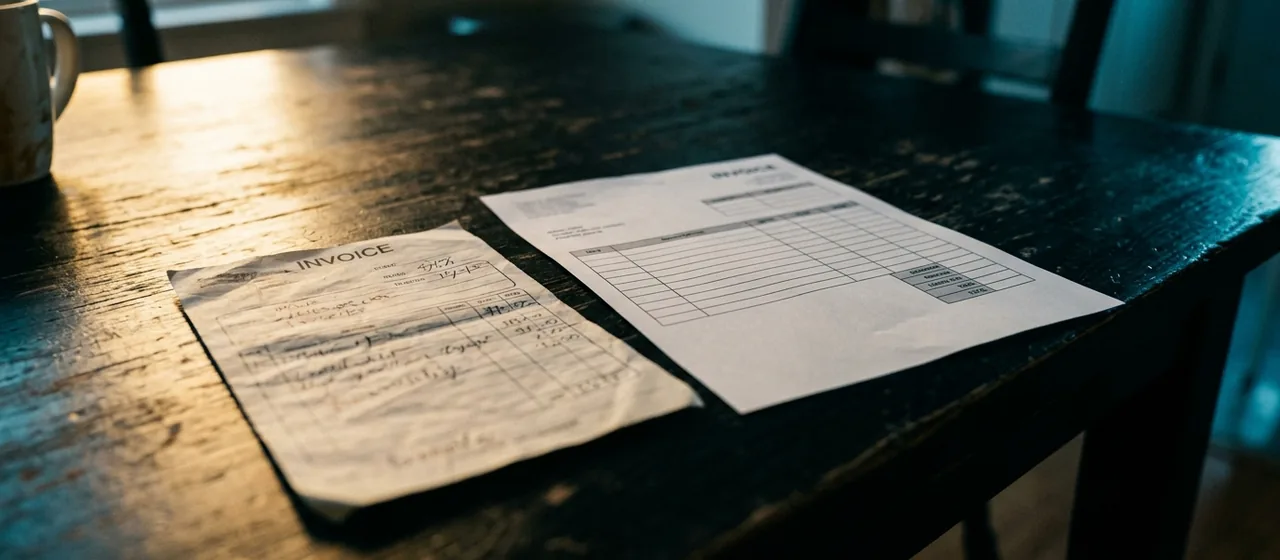
Why Lockouts Attract Scammers
A locked-out person is stressed, stranded, in a hurry, and holding a credit card. They will call the first result they see, they won't comparison shop, and they'll agree to almost anything that promises the problem goes away. That's a perfect storm for predatory pricing, which is why this trade, more than most, splits sharply into transparent operators and outright traps.
The Playbook, Step by Step
Nearly every locksmith scam runs the same five moves, in the same order.
- The bait ad. "$19 lockout!" is a number that exists only to win your click. It will later be reframed as a "service call fee" that covers nothing.
- The call center. You're not talking to a locksmith; you're talking to a national lead-generation operation that sells your job to whoever is nearby. They can't quote a real price because they don't know who's coming. (This is also the engine behind most "24/7" ads; that's its own guide.)
- The escalation on arrival. The technician inspects your perfectly ordinary lock and discovers it's a "high-security" or "special" situation. The $19 becomes $150, then $350. You're already stuck, already late; most people fold.
- The drill. The classic finisher: "this lock can't be picked, we'll have to drill it." Drilling destroys your lock and creates a mandatory hardware sale on the spot: the scammer gets paid to break your property and again to fix the breakage. Legitimate technicians open the overwhelming majority of ordinary locks non-destructively.
- Cash pressure and a vanishing trail. Cash-only demands, no itemized receipt, an unmarked car, no company name that matches anything. All of it designed so there's no one to complain to afterward.
The 60-Second Defense
Five quick checks, done from your phone, defeat the entire playbook.
- Ask for the license number and check it at the state's official lookup. The whole process is in our verification guide. Scam operations fail this test almost every time.
- Demand a total, not a starting point. "What is the complete price to solve my problem, everything included?" An honest shop answers with a number or a published range. Ours are on the services page: car lockouts run $60–$180 total, and the maximum is a ceiling, not a suggestion.
- Confirm the price again before work begins, at the vehicle or door, out loud. Honest answer twice = probably honest. New number = walk away.
- Note the identity basics. The name in the ad, the name the dispatcher gives you, and the name on the state license record should all be the same business (a disclosed DBA is fine); the technician can name the company he works for without pausing. Thirty seconds of attention here filters out most of the industry's bottom.
- Treat "we'll have to drill it" as a second-opinion moment unless the reason is specific and makes sense to you.
If You've Already Been Hit
Keep the receipt or note the amount, photograph any damaged hardware, and report the operation to the FTC (reportfraud.ftc.gov) and to California's BSIS, which handles complaints against locksmith licensees and unlicensed operators. Card payments can be disputed; cash usually can't.
That's one more reason the scammers prefer it. Then have the damage assessed honestly: drilling victims usually need replacement hardware, and we'll quote it from the published ranges like any other job.